
France swept Sweden aside 3-0 in the Round of 32 of the 2026 World Cup at Meadowlands Stadium in New Jersey with a performance that confirmed them as the team to beat. Kylian Mbappé scored twice and Bradley Barcola added another as Les Bleus delivered an attacking masterclass, inspired above all by the Real Madrid forward and the outstanding Michael Olise. Sweden simply had no answer to the French whirlwind. Paraguay now await in the Round of 16.
Ever since 2016, this French generation has been tipped to dominate international football. They lost the European Championship final to Portugal that summer, stormed to World Cup glory in Russia two years later and came within a penalty shoot-out of retaining their crown in Qatar. Their physical superiority and attacking talent have never been in question. In both departments, France remain the benchmark in international football. Yet Didier Deschamps has often been criticised for his pragmatic approach, prioritising defensive organisation while allowing his exceptional forwards the freedom to decide matches. That philosophy remains intact, but at this World Cup France have added another dimension: fluent, entertaining football. No player symbolises that evolution better than Michael Olise.
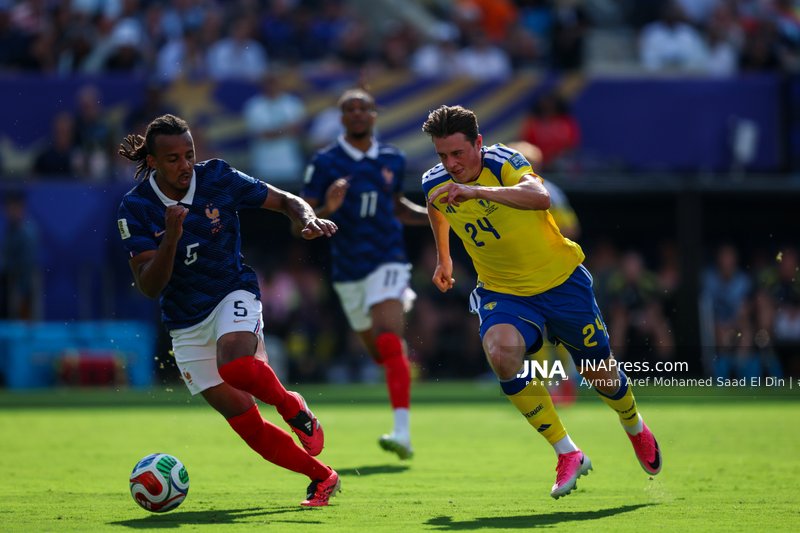
Sweden arrived with a revised tactical approach. Graham Potter abandoned his back three in favour of a 4-4-2, hoping to reinforce midfield and limit the influence of France's creative players. Deschamps, meanwhile, opted for Barcola ahead of Désiré Doué on the left wing.
Barcola immediately looked lively, bursting into the penalty area before dragging his effort wide. Moments later, Olise threaded a perfectly weighted pass through to Mbappé, who finished confidently, only for the goal to be ruled out for offside. The understanding between Olise and Mbappé has become one of the defining partnerships of this tournament.
Alexander Isak attempted to inspire Sweden with a handful of forward runs, but William Saliba and Dayot Upamecano gave him and Viktor Gyökeres virtually nothing to work with. Adrien Rabiot then surged into the box and forced an excellent save from Viktor Zetterström. Jules Koundé soon gifted Mbappé another glorious opportunity, only for the striker to strike the post.
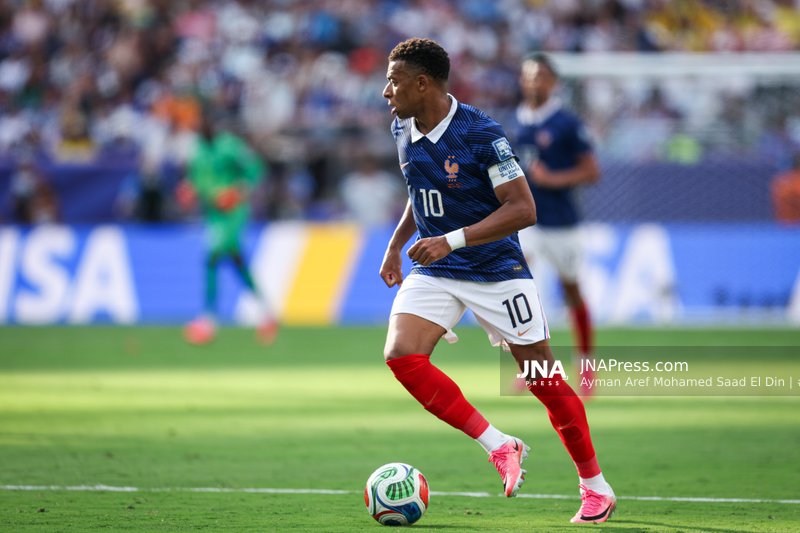
France were now completely in control. Olise almost produced one of the goals of the tournament with an extraordinary overhead kick that cannoned off the woodwork. The Bayern Munich winger continued to torment Sweden, forcing another fine save from Zetterström before France finally broke the deadlock. From the resulting corner, Ousmane Dembélé and Olise worked a clever short routine before finding Mbappé, who swept home from inside the area to give Deschamps' side a thoroughly deserved lead.
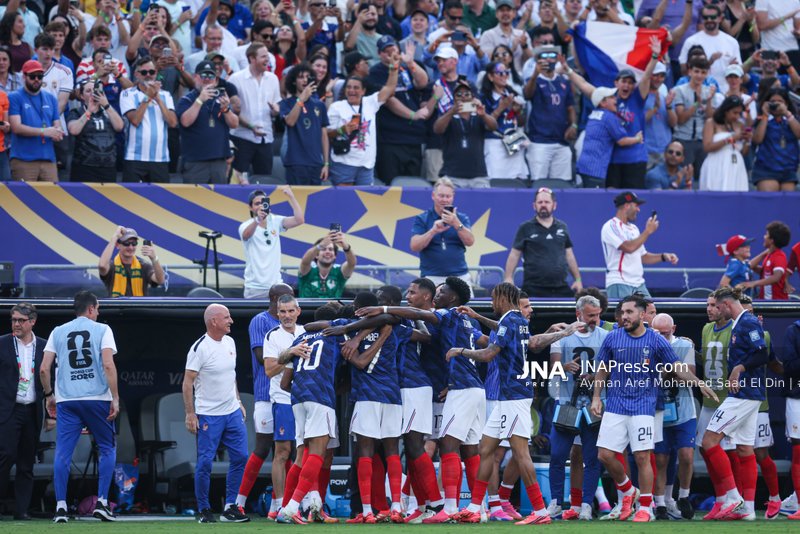
Les Bleus never eased off after the interval. Eight minutes into the second half, Olise once again demonstrated his vision, releasing Barcola, who calmly slotted beyond Zetterström to double the advantage. Sweden's goalkeeper prevented the scoreline from becoming considerably heavier, producing outstanding saves to deny both Olise and Mbappé on several occasions.
He could do little, however, about France's third goal. Mbappé collected possession inside the area and drilled a low finish across the goalkeeper to complete his brace and take his tally to six goals at the 2026 World Cup. It was another reminder that, even in a side overflowing with attacking quality, the captain remains the man who defines matches.
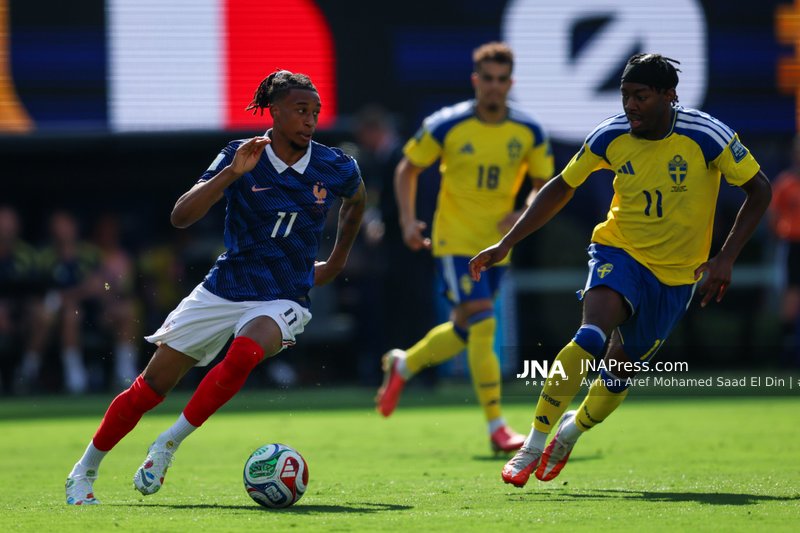
France sent a warning to every remaining contender. Their defence looked virtually impenetrable, Rabiot controlled midfield with perhaps his finest international performance in years, while the front four overwhelmed Sweden with pace, movement and technical quality. Previous French sides under Deschamps have often been judged on results rather than performances. This version has found both.
Paraguay now await in the Round of 16 with one of the tournament's most disciplined defensive units. They will need every ounce of that resilience against a French side playing with confidence, balance and an attacking fluency that suggests they may finally have found the complete formula. On this evidence, France look capable of going all the way.