
RAMALLAH, West Bank – JNA PRESS
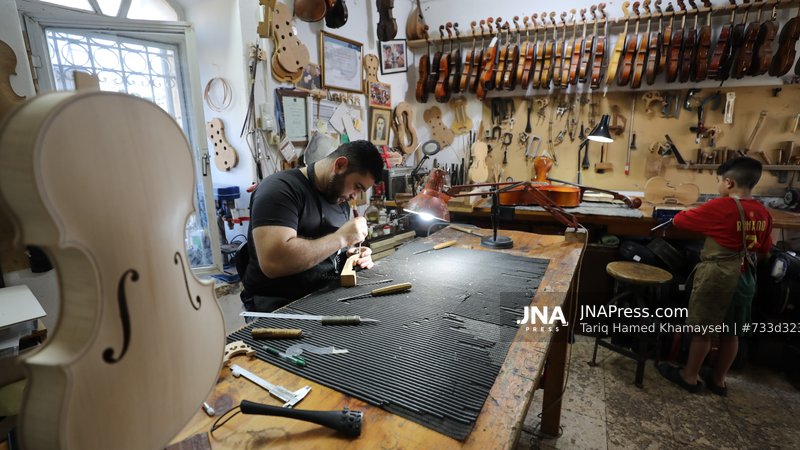
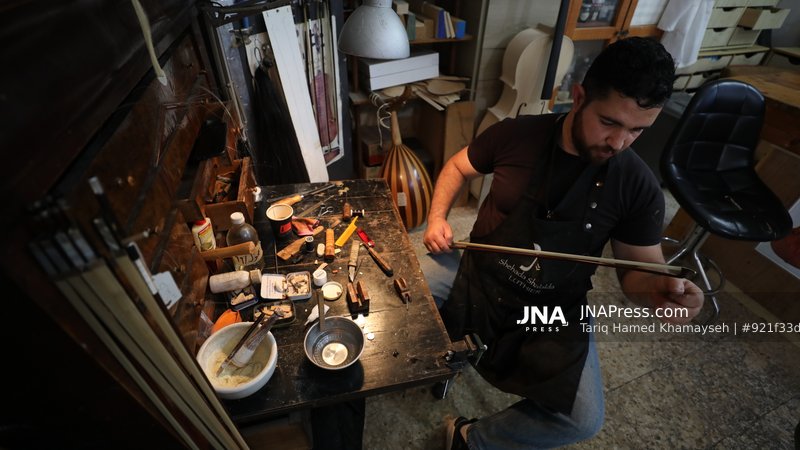
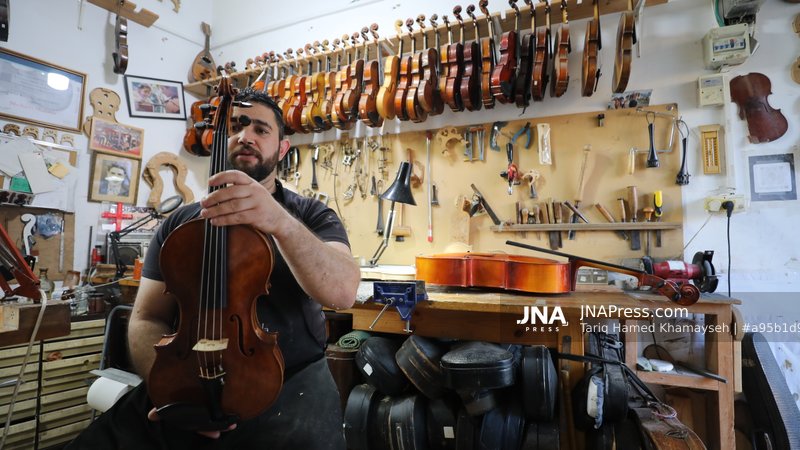
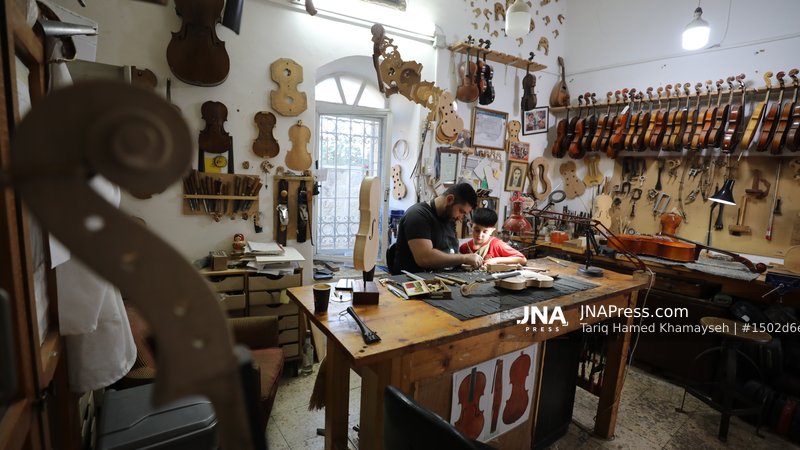
Amid the scent of freshly cut wood and the rhythmic sound of finely tuned hand tools, a unique story of craftsmanship unfolds inside a modest workshop in the city of Ramallah. Here, Palestinian luthier Shehadeh Shalaldeh transforms carefully selected pieces of wood into handcrafted string instruments, preserving a rare tradition that combines artistry, precision, and generations of accumulated expertise.
Working patiently by hand, Shalaldeh builds violins, violas, and cellos using traditional techniques refined through years of study and practical experience. Every instrument begins with the careful selection of tonewood before passing through a meticulous process of carving, shaping, assembling, varnishing, and final acoustic adjustment. The work demands exceptional precision, with each stage contributing to the instrument's unique tonal character and quality.
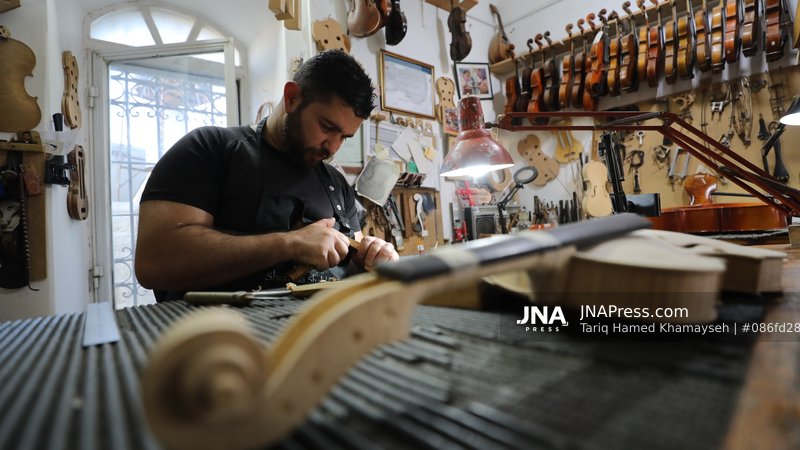
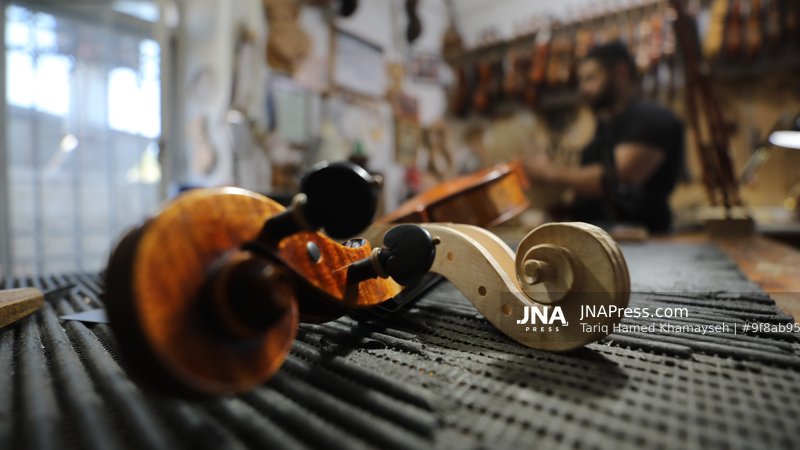
For Shalaldeh, instrument making is more than a profession it is a lifelong commitment to preserving a craft that is gradually disappearing. He believes that every piece of wood possesses its own voice, waiting to be revealed through patience, skill, and dedication. No two instruments are identical; each carries its own distinctive sound and personality.
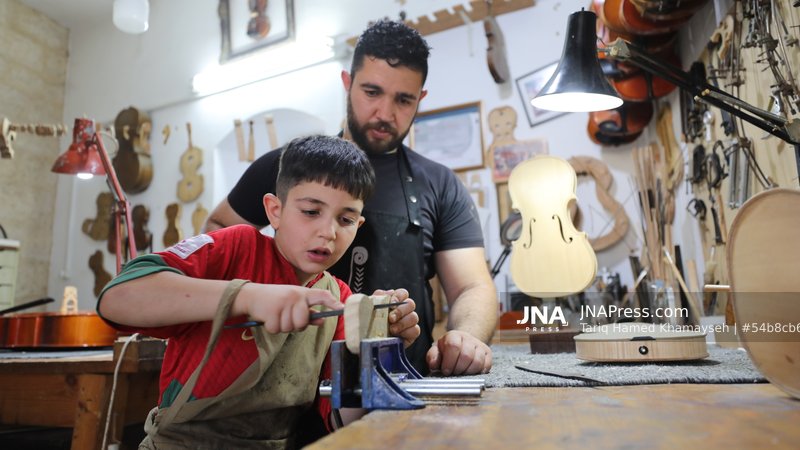
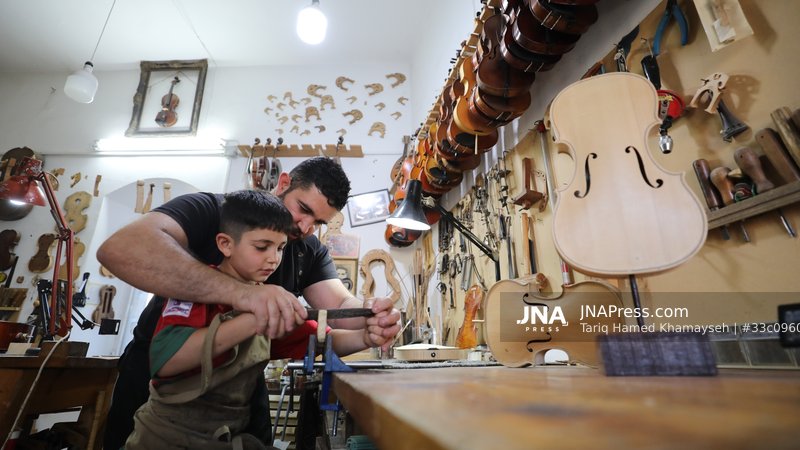
His dedication extends beyond the workshop itself. Determined to keep the craft alive, Shalaldeh has begun passing his knowledge to the next generation by teaching his young son the fundamentals of instrument making. From learning how to recognize the qualities of different woods to mastering the delicate techniques of carving and assembly, the child is gradually becoming part of a family tradition that Shalaldeh hopes will continue for many years to come.
Every instrument leaving the workshop bears the maker's personal signature alongside the inscription "Made in Palestine." For Shalaldeh, the phrase represents far more than a label of origin—it is a statement of identity, pride, and confidence in the ability of Palestinian craftsmanship to stand alongside the finest handmade instruments produced anywhere in the world.
Despite economic challenges, the high cost of specialized materials, and the increasing rarity of traditional instrument makers, Shalaldeh continues his work with unwavering determination. His workshop reflects a profession where craftsmanship meets art, and where patience and precision transform raw wood into instruments capable of carrying music—and the story of Palestine to audiences around the world.
Through every violin, viola, and cello he creates, Shehadeh Shalaldeh demonstrates that Palestinian craftsmanship is not only surviving but continuing to produce works of exceptional quality that preserve both cultural heritage and artistic excellence.
Photos by Tareq Khmaiseh | JNA PRESS